

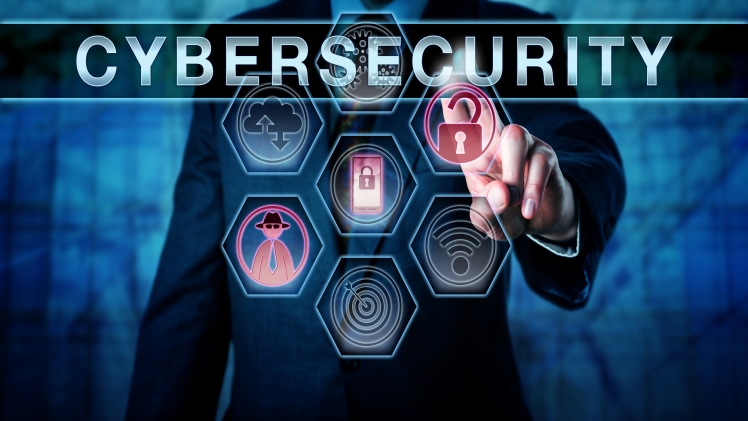
As a business owner, it is crucial that you keep your business safe from robbers and hackers. Thieves are extremely techy and are always looking for ways to steal from businesses. They know your passwords, bank and credit card numbers.
Luckily, you can protect yourself online by avoiding common business online security errors. If you’re interested in learning more, then keep on reading.
1. Weak Passwords
Businesses need to understand that weak passwords can put customer data, financial systems, confidential documents, and other sensitive information at risk. Weak passwords are especially troublesome. They are easily guessed and can be easily hacked into by malicious individuals and entities.
Strong passwords help to ensure that customer data and other valuable business assets remain secure. Businesses should use strong passwords—those that include a combination of upper and lowercase letters, numbers, and symbols. They should be updated on a regular basis.
2. Poorly Trained Employees
All it takes is one mistake, accidental or not, to leave a business vulnerable to security risks. Inadequately trained employees may not be aware of how to maintain a secure online environment or how to properly handle sensitive customer information.
They can also be more prone to falling for scams and phishing attacks due to their lack of knowledge of the typical signs. Poorly trained employees can create weak passwords, access the internet from unsecured connections, and even unknowingly install malicious software, which can allow attackers access to the business’ system.
3. Not Backing Up Data
This can lead to operational downtime, lost revenue, and potentially lost customers. For example, if a company’s website gets hacked and all the data becomes inaccessible, it will take longer and cost more to restore lost information if it isn’t backed up.
Furthermore, if a company’s data is backed up onto the same server and hard drive, there is no protection against hardware or system failure. While business data backup services may have a one-time fee, this cost is insignificant compared to the cost of business downtime, potential customer losses, and the cost of restoring lost information.
4. No Acceptable Use Policy
Many businesses now use computers and other electronic devices to support their operations. Additionally, without an AUP in place, employees can easily access online resources from work or use work-issued devices for personal use, leading to wasted time and resources or the potential for serious security breaches.
By having an AUP in place, businesses can protect themselves from online security threats, such as hackers and malware, in addition to reinforcing the importance of employee security and following procedures. This can go a long way to ensuring their business operations remain protected and secure.
5. Unpatched Networks
Unpatched networks are one of the most significant business online security teams that exist today. With internet connections rapidly expanding, businesses must remain vigilant in updating software and hardware in order to protect their networks.
Failing to do so puts their networks at risk from malicious actors who can exploit botched software releases and outdated hardware components. Outdated operating systems, applications, firewalls, servers, and other related devices can increase the likelihood of cyberattacks. To help you in protecting business data, reach out to an IT Consulting service near you.
Read More About Business Online Security Errors
Business online security errors pose a major threat to any organization, regardless of size. Implementing the best practices and taking the necessary steps to reduce cyber security risks are the best ways to protect your organization.
Did you find this article helpful? Check out the rest of our blog for more!
